
Welcome to the fascinating world of Smart Textiles, where innovation meets fabric in exciting ways! These textiles are designed not just for traditional wear but to interact with the environment, making them a game-changer in various industries.
From healthcare to fashion, smart textiles incorporate cutting-edge technology to enhance functionality and performance, transforming everyday materials into intelligent solutions that respond to our needs.
Smart Textiles Overview
Smart textiles represent a groundbreaking evolution in the textile industry, merging traditional fabrics with advanced technologies to create materials that respond to environmental stimuli. These innovative textiles enhance functionality and provide new opportunities across various sectors, including healthcare, fashion, and sports. As consumers increasingly seek products that integrate technology into their everyday lives, the significance of smart textiles continues to grow, emphasizing their role in promoting comfort, safety, and efficiency.
The development of smart textiles can be categorized into three main types: active, passive, and ultra-smart textiles. Each type has unique characteristics and applications that cater to different needs and industries. Understanding these types is crucial for recognizing the potential of smart textiles in transforming how we interact with our clothing and environments.
Main Types of Smart Textiles
Smart textiles can be classified into three distinct categories, each offering specific benefits and uses:
- Active Textiles: These textiles are capable of responding dynamically to external stimuli such as temperature, moisture, and pressure. For example, clothing with built-in sensors can adjust its insulation properties based on body temperature, enhancing comfort during physical activities.
- Passive Textiles: Unlike active textiles, passive textiles do not react to stimuli but are designed to provide benefits through their inherent properties. These may include fabrics that wick moisture away from the skin or materials that offer UV protection. An example is clothing that incorporates materials treated to resist stains or repel water.
- Ultra-smart Textiles: These are the most advanced category, integrating digital technology and sophisticated functionalities. Ultra-smart textiles can collect and transmit data, such as heart rate and body temperature, making them essential for health monitoring and performance tracking in sportswear.
Key technological advancements have played a vital role in the development of smart textiles. Innovations in materials science, nanotechnology, and electronics have all contributed to the creation of textiles that are not only functional but also comfortable and aesthetically pleasing. For instance, the incorporation of conductive fibers allows for the seamless integration of sensors into fabrics, enabling functionalities like health monitoring without sacrificing the softness or flexibility of the garment.
In summary, smart textiles bridge the gap between fashion and technology, empowering users with enhanced capabilities and experiences. Their evolution continues to pave the way for exciting applications and products that redefine our understanding of clothing and its role in our lives.
Applications of Smart Textiles
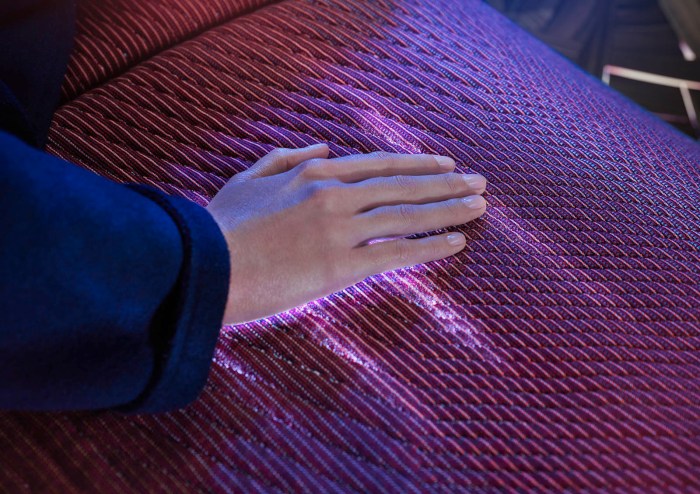
Smart textiles are revolutionizing various industries by integrating technology into fabrics, enhancing functionality and interactivity. From healthcare to sports, and even fashion, smart textiles are making a significant impact, providing solutions that were previously unimaginable. Let’s delve into some specific applications of these innovative materials.
Healthcare Sector
In healthcare, smart textiles are used to monitor patients’ vital signs and improve the quality of care. These textiles have embedded sensors that can track heart rates, body temperature, and other critical health metrics in real-time. For instance, smart bandages equipped with sensors can monitor wound healing and detect infections early, thereby alerting healthcare providers without the need for constant physical examinations.
Examples of applications include:
- Wearable ECG Monitors: Smart shirts that integrate electrodes to monitor heart activity continuously, offering data to both patients and medical personnel.
- Temperature-Sensing Fabrics: Textiles that change color or alert caregivers when a patient’s temperature rises, providing immediate feedback for conditions like fever.
- Drug Delivery Systems: Fabrics that can release medication in response to physiological changes, ensuring timely intervention without invasive procedures.
Sports and Fitness Industry
Smart textiles are transforming the sports and fitness landscape by enhancing performance and safety for athletes. These textiles can analyze movement, measure exertion levels, and even provide feedback on technique. Understanding how athletes perform and recover is key in optimizing their training regimens.Key applications in this sector include:
- Smart Compression Garments: These garments provide compression while monitoring muscle activity and fatigue, helping athletes recover more effectively.
- Performance Monitoring Shirts: Equipped with sensors that track heart rate, breathing patterns, and body temperature, enabling coaches to tailor training programs to individual athletes.
- Smart Socks: These can measure the pressure on feet during activities, helping to prevent injuries by ensuring proper technique and foot placement.
Fashion and Wearable Technology
In the realm of fashion, smart textiles are blending style with technology, allowing for the creation of garments that are not only visually appealing but also functional. Wearable technology is gaining traction in everyday clothing, enabling users to interact with their environment in new ways.Some notable examples include:
- LED-Embedded Clothing: Fabrics that incorporate LED lights can change colors or display patterns, providing a dynamic clothing experience.
- Temperature-Regulating Fabrics: Such textiles can adapt to body temperature, offering comfort in various conditions, from hot to cold.
- Fitness-Tracking Fashion: Wearables like smart jewelry and wristbands that monitor fitness metrics while serving aesthetic purposes have become increasingly popular.
Smart Textiles and Employment Opportunities
The rise of smart textiles is creating a vibrant landscape for employment opportunities across various sectors. As technologies advance, the demand for skilled professionals in the field of smart textiles is expected to grow significantly. This evolution not only impacts traditional textile manufacturing but also opens doors in allied industries, paving the way for innovative job roles that were previously non-existent.The influence of smart textiles on job creation is notable within both the textiles and nonwovens sector.
These advanced materials, which incorporate electronics and sensors, are leading to the development of new products and solutions that require specialized knowledge and skills. This shift is expected to result in an increase in job opportunities ranging from engineering and design to marketing and sales. For instance, companies developing smart clothing for health monitoring or sports applications are actively hiring professionals who can blend textile science with technology.
Skills and Qualifications for Smart Textile Careers
As the industry evolves, specific skills and qualifications are becoming essential for those interested in careers related to smart textile development and manufacturing. Understanding the intersection of textiles and electronics is key, leading to a demand for interdisciplinary expertise. Here are some of the critical skills needed in this field:
Technical Knowledge
A solid foundation in textile engineering, materials science, or fashion technology is crucial. Proficiency in smart material properties, fabric manipulation, and electronic integration is essential.
Programming Skills
Familiarity with programming languages and software used in product design and development, such as CAD software and coding for embedded systems, is increasingly valuable.
Research and Development
Skills in conducting research, testing prototypes, and analyzing data are significant for innovation in smart textiles.
Project Management
As projects often involve teamwork across various disciplines, strong project management skills can facilitate collaboration and timely delivery of products.The future of employment in industries utilizing smart textiles appears promising, with various sectors experiencing growth. For example, in telecommunications, smart textiles are paving the way for wearable tech that seamlessly integrates with communication devices. This necessitates professionals who can navigate both textile design and communication technologies.
In management roles, the demand for leaders who can drive innovation while understanding textile production processes is on the rise.
The convergence of textiles and technology is reshaping job landscapes, creating roles that blend creativity with technical expertise.
As the market for smart textiles continues to expand, there will be new opportunities arising in areas such as healthcare, where smart fabrics are used for monitoring vital signs. This growth signifies a need for trained personnel who understand both the technological and practical applications of smart textiles in real-world scenarios.
Final Thoughts
In conclusion, Smart Textiles are not just a trend; they’re paving the way for a smarter future in various fields. As we continue to explore their potential, these innovative fabrics promise to redefine how we think about clothing and textiles, making our lives easier and more connected.
FAQ Compilation
What are smart textiles?
Smart textiles are fabrics that have been enhanced with technologies that enable them to sense and respond to environmental stimuli.
How are smart textiles used in healthcare?
They are used to monitor vital signs, deliver medications, and improve patient comfort through temperature regulation.
Can smart textiles be used in everyday clothing?
Yes, smart textiles are increasingly being integrated into everyday clothing, providing benefits like moisture management and temperature control.
What job opportunities exist in the smart textiles industry?
Job opportunities include roles in design, manufacturing, research and development, and marketing of smart textile products.
What skills are needed to work with smart textiles?
Skills in textile science, engineering, data analysis, and familiarity with wearable technology are essential for careers in this field.


