
Adaptive AI Translation is revolutionizing the way we communicate across languages, breaking down barriers and opening up a world of opportunities. This technology is not just about converting words; it’s about understanding context, culture, and the nuances of human interaction, making it a game-changer in various industries.
From improving workplace collaboration to transforming the publishing landscape, Adaptive AI Translation is set to redefine how businesses operate and engage with diverse audiences. As we delve into its impact on employment, publishing, and telecommunications, you’ll see how this innovative approach is more than just a trend—it’s an essential tool for the future.
The Role of Adaptive AI Translation in Employment and Work
Adaptive AI translation is revolutionizing the way we communicate and collaborate across diverse work environments. As global business operations expand, the ability to seamlessly translate languages in real-time is becoming increasingly vital. This technology not only aids in breaking down language barriers but also opens up a plethora of opportunities and challenges in the workplace.
Impact on Job Opportunities in Various Sectors
The introduction of adaptive AI translation is transforming job landscapes, particularly in multinational corporations, customer service, and content creation. By automating the translation process, businesses can hire team members from diverse linguistic backgrounds, fostering inclusivity and enhancing creativity. For example, a tech company can source talent from different countries, allowing for a rich exchange of ideas and innovation.
- Increased demand for language specialists who can manage AI tools and edit translations.
- Growth in remote job opportunities, as geographic location becomes less of a barrier.
- Emergence of new roles focused on overseeing AI translation systems and maintaining their accuracy.
“Adaptive AI translation is not just about understanding languages; it’s about understanding cultures.”
Enhancing Communication and Collaboration
Adaptive AI translation tools empower businesses to enhance communication among diverse teams. By providing instant translations, these tools facilitate smoother interactions, whether in meetings, emails, or collaborative platforms. This leads to a more cohesive work environment where ideas can flow freely across language divides.To illustrate, consider the following applications of adaptive AI translation in the workplace:
Real-Time Translation in Meetings
Tools like Zoom now offer integrated translation features, allowing participants from different linguistic backgrounds to engage without hesitation.
Collaborative Documents
Platforms like Google Docs can automatically translate comments and edits in real-time, ensuring everyone is on the same page regardless of their primary language.
Customer Interaction
E-commerce businesses can utilize AI translation to interact with customers in their preferred language, enhancing customer satisfaction and loyalty.
Challenges and Ethical Considerations
While adaptive AI translation brings numerous advantages, it also raises significant challenges and ethical considerations. Businesses must be aware of potential inaccuracies in translations, which can lead to misunderstandings or miscommunications. Furthermore, over-reliance on AI could diminish human translators’ roles, causing job displacement in some sectors.Key challenges include:
Loss of Nuance
Automated translations may lack the cultural context needed for accurate messaging.
Data Privacy Concerns
Handling sensitive information through AI translation tools raises questions about data security and confidentiality.
Ethical Use of AI
Companies must ensure that their use of adaptive AI translation does not perpetuate biases or inequalities in the workplace.
“Ethical considerations in AI translation are as crucial as the technology itself.”
Adaptation of AI Translation in Publishing and Printing
The advent of adaptive AI translation technology is revolutionizing the publishing industry, enabling a more seamless and efficient process in reaching global audiences. As publishers strive to engage diverse demographics, adaptive AI translation serves as a pivotal tool for enhancing accessibility and expanding market reach. This transformation is not merely a trend; it’s a significant shift toward inclusivity in literature and information dissemination.Adaptive AI translation is transforming the publishing landscape by facilitating faster and more accurate content localization.
Traditional translation methods often involve lengthy review processes, which can hinder timely publication. Adaptive AI translation, on the other hand, utilizes machine learning algorithms to analyze and translate texts while continually improving its accuracy based on user feedback and context. This results in quicker turnaround times for translated materials, allowing publishers to meet the demands of a fast-paced market.
Examples of Adaptive AI Translation in Publishing
Several notable examples illustrate how adaptive AI translation is reshaping the publishing industry. Prominent publishing houses are now implementing AI-driven translation tools to streamline their operations and enhance customer engagement. Here are some key instances:
- Automated Content Translation: Major publishers like Springer Nature are utilizing adaptive AI translation to automate the translation of scientific papers, enabling researchers worldwide to access crucial information in their native languages swiftly.
- Localized Marketing Materials: Companies such as HarperCollins have adopted AI translation systems to create localized marketing materials that resonate with specific cultural audiences, significantly increasing their international sales.
- E-books and Digital Content: Platforms like Amazon Kindle have integrated AI translation features that allow readers to access content in multiple languages, fostering a more inclusive reading environment.
Integrating adaptive AI translation technology into traditional publishing workflows enhances efficiency and reduces costs. By incorporating AI translation, publishers can create a more streamlined process that integrates seamlessly with existing systems. Key processes to consider include:
Processes for Integrating Adaptive AI Translation
The integration of adaptive AI translation requires thoughtful planning and execution to ensure compatibility with traditional workflows. Here are essential steps for a successful implementation:
- Assessment of Existing Workflows: Publishers should begin by evaluating their current translation processes, identifying bottlenecks, and determining how adaptive AI can address these challenges.
- Choosing the Right Technology: Selecting an adaptive AI translation tool that aligns with specific needs and goals is crucial. This includes considering factors like language pairs, industry terminology, and user interface.
- Training and Adaptation: Training staff on the new technology is vital for maximizing its effectiveness. Continuous feedback loops should be established to help the AI learn and adapt to specific publishing contexts.
- Quality Control Measures: Implementing checks and balances, such as human post-editing, ensures that the translated content meets the expected quality standards while benefiting from the speed of AI.
- Monitoring and Evaluation: Regularly assessing the performance of the adaptive AI translation system enables publishers to make data-driven adjustments and improvements over time.
“The integration of adaptive AI translation is not just about technology; it’s about enhancing the reader’s experience and fostering global connections.”
As the publishing industry continues to evolve, adaptive AI translation stands out as a critical component in driving accessibility and engagement for diverse audiences around the world.
Benefits of Adaptive AI Translation in Telecommunications and Services
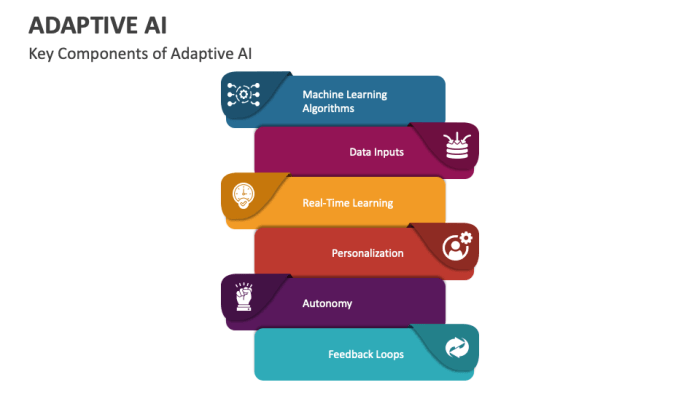
Adaptive AI translation is revolutionizing the telecommunications industry by significantly enhancing customer service and communication effectiveness. As global operations grow, the necessity for accurate and efficient translation has never been greater. This advanced technology not only enables companies to cater to a diverse customer base but also streamlines operations, making interactions smoother and more effective.
Improvement of Customer Service in Telecommunications
The telecommunications sector is heavily reliant on seamless communication, making adaptive AI translation a game changer. With the capability to instantly translate customer inquiries and responses in real-time, adaptive AI translation reduces wait times and enhances satisfaction. For instance, consider a telecommunications company that offers services in multiple countries. Using traditional translation methods often results in delays and inaccuracies, leading to frustrated customers.
In contrast, adaptive AI translation allows customer service representatives to interact with clients in their native languages, providing accurate information quickly. This not only improves the overall customer experience but also fosters loyalty and trust.
Comparison of Traditional Translation Methods and Adaptive AI Translation
Understanding the differences between traditional translation methods and adaptive AI translation is essential for evaluating their effectiveness in service industries.Traditional translation methods often rely on human translators who may not always be available or may take longer to complete requests. This can lead to:
- Increased response times, impacting customer satisfaction.
- Higher costs associated with hiring professional translators for multiple languages.
- Inconsistency in translation quality due to varying expertise among translators.
In contrast, adaptive AI translation offers several advantages:
- Real-time translation capabilities that ensure immediate responses to customer inquiries.
- Cost-effectiveness by minimizing the need for human intervention, allowing companies to allocate resources elsewhere.
- Consistency in translation quality across different languages, as AI systems learn and improve continuously.
The efficiency brought about by adaptive AI translation ultimately enhances communication and customer relationships in a competitive marketplace.
Case Studies Demonstrating Enhanced User Experience
Analyzing specific case studies illustrates the profound impact of adaptive AI translation on user experience in telecommunications. One notable example is a global mobile carrier that implemented adaptive AI translation software in its customer support channels. The results were remarkable:
- Customer query resolution times decreased by 50%.
- Customer satisfaction ratings rose by 30% within six months of implementation.
- The company successfully expanded its customer service to regions with language barriers, increasing its user base significantly.
Another case involved an internet service provider that utilized adaptive AI translation for its online chat support. The adaptive system translated user queries and responses instantly. This led to:
- A surge in user engagement, with chat interactions tripling.
- A significant reduction in customer complaints due to miscommunication.
- Positive feedback highlighting the personalized experience users felt when receiving support in their preferred language.
These case studies underscore the pivotal role that adaptive AI translation plays in enhancing user experience, ultimately leading to greater customer satisfaction and business growth.
End of Discussion
In summary, Adaptive AI Translation is not only enhancing communication but also reshaping industries by making them more inclusive and efficient. As we continue to embrace these advancements, it’s clear that the integration of AI in translation processes will play a pivotal role in connecting people and businesses globally.
Commonly Asked Questions
What is Adaptive AI Translation?
Adaptive AI Translation refers to the use of artificial intelligence that learns and improves its language translation capabilities over time, ensuring more accurate and context-aware translations.
How does Adaptive AI Translation impact job opportunities?
It can create new job roles focused on managing and improving AI translation systems while also potentially reducing demand for traditional translators in certain sectors.
Is Adaptive AI Translation suitable for all languages?
While it works well for many major languages, the effectiveness may vary for less widely spoken languages or dialects that require more nuanced understanding.
What industries benefit most from Adaptive AI Translation?
Industries such as telecommunications, publishing, and global commerce benefit significantly as they require efficient and accurate communication across diverse languages.
What challenges come with using Adaptive AI Translation?
Challenges include ethical considerations regarding data privacy, potential job displacement, and ensuring the quality of translations aligns with cultural contexts.


