
Techwear is not just a fashion statement; it’s a lifestyle that blends functionality with cutting-edge design. Originating from a fusion of streetwear and advanced outdoor gear, it’s designed to cater to the urban adventurer. With its sleek silhouettes and innovative materials, techwear offers not only style but also durability, making it a go-to choice for those who appreciate both aesthetics and practicality.
As we delve into the world of techwear, we’ll explore its core characteristics, trace its evolution, and highlight the major brands and designers that have shaped this unique niche. From job opportunities in the techwear industry to the sustainable practices behind its manufacturing, this discussion will provide a comprehensive overview of what makes techwear a fascinating aspect of modern fashion.
Techwear Overview
Techwear is a fashion movement that blends functionality, utility, and style, creating garments designed for performance in urban environments. The core characteristics of techwear include weather resistance, durability, and a minimalist aesthetic, often featuring an array of pockets, straps, and modular components. This style emphasizes comfort and practicality, making it ideal for both everyday wear and outdoor activities.The origins of techwear can be traced back to the mid-2000s, influenced by advancements in fabric technology and a growing interest in outdoor and military-inspired fashion.
Initially popularized by niche brands, techwear has evolved over the years, incorporating elements from streetwear, haute couture, and sportswear. The fusion of these diverse styles has helped establish techwear as a prominent segment in contemporary fashion, appealing to a wide audience seeking both style and substance.
Key Designers and Brands
Several designers and brands have become synonymous with techwear, each contributing unique elements to the genre. The following list highlights notable names in the techwear scene:
- ACRONYM: Known for its innovative designs and high-performance materials, ACRONYM is a pioneer in the techwear movement, offering garments that blend functionality with futuristic aesthetics.
- Y-3: A collaboration between Japanese designer Yohji Yamamoto and Adidas, Y-3 brings a high-fashion approach to techwear, combining sportswear with avant-garde design.
- Arc’teryx Veilance: This line from the Canadian outdoor brand Arc’teryx focuses on minimalist designs and technical fabrics, catering to those who appreciate both style and superior performance.
- Stone Island: Renowned for its innovative fabric treatments and dyeing techniques, Stone Island incorporates military and workwear influences into its techwear offerings.
- Nike ACG: Nike’s All Conditions Gear line emphasizes versatility and functionality, producing stylish yet performance-oriented gear suitable for various environments.
Each of these brands showcases the versatility and adaptability of techwear, ensuring it remains relevant in both fashion and functionality. The interplay of cutting-edge materials and design philosophies has positioned techwear as not just a trend but a lifestyle choice for many enthusiasts.
Techwear and Employment
The techwear industry is rapidly evolving, creating unique job opportunities that blend fashion, technology, and performance. As consumers increasingly seek functional, stylish, and durable clothing, the demand for skilled professionals in design, marketing, and retail continues to grow. This niche market not only attracts fashion enthusiasts but also tech-savvy individuals, making it an exciting area for career development.Careers in techwear require a combination of specialized skills and relevant qualifications that cater to the specific needs of this innovative sector.
Understanding the intersection of technology and fashion can set candidates apart in a competitive job market. Professionals in this field must be adept at integrating functionality with aesthetic appeal, ensuring that garments not only look good but also perform well under various conditions.
Job Opportunities in Techwear
Various roles exist within the techwear industry, each requiring a different set of skills and experiences. Here are some key positions:
- Designers: Focus on creating functional and innovative designs that utilize advanced materials and technology. A strong background in fashion design and textiles is essential, often enhanced by knowledge of CAD software.
- Marketing Specialists: Handle the promotion of techwear brands, using digital marketing strategies to reach target audiences. Skills in , social media marketing, and content creation are valuable.
- Retail Managers: Oversee the operations of stores selling techwear products, ensuring optimal customer experience and sales performance. Strong leadership and merchandising skills are crucial.
The techwear industry is driven by performance and innovation, making roles within design, marketing, and retail critical to a brand’s success.
Skills and Qualifications for a Career in Techwear
A successful career in techwear requires a diverse skill set that aligns with the unique demands of the industry. Essential skills include:
- Technical Knowledge: Familiarity with materials, textiles, and garment construction, especially those with performance-enhancing properties such as waterproofing and breathability.
- Creativity and Innovation: The ability to think outside the box is vital for designers to develop unique products that stand out in a crowded market.
- Marketing Acumen: Understanding market trends and consumer behavior is crucial for marketing roles to effectively communicate a brand’s value proposition.
- Analytical Skills: Retail managers must analyze sales data and consumer feedback to make informed decisions that drive business growth.
As the techwear sector grows, professionals with these skills will find themselves in high demand.
Employment Trends in Techwear Versus Traditional Fashion
The employment landscape in techwear is distinct from traditional fashion, reflecting the industry’s emphasis on functionality and technology. Below is a comparative analysis of employment trends:
| Aspects | Techwear | Traditional Fashion |
|---|---|---|
| Growth Rate | High growth due to increased interest in performance apparel. | Stable growth, largely influenced by seasonal trends. |
| Skills Demand | Technical skills in fabrics and technology integration. | Creative design skills focused on aesthetics. |
| Target Audience | Active lifestyle consumers seeking functional clothing. | Broader demographic with varied preferences. |
| Job Roles | More roles in R&D, technology integration, and performance marketing. | Focus on merchandising, styling, and trend forecasting. |
The techwear industry is carving out a unique niche in the fashion world, leading to an exciting array of career opportunities that blend creativity with functionality. As this market continues to expand, the demand for skilled professionals will likely increase, making it a worthwhile field to explore for aspiring fashion and tech enthusiasts.
Techwear Materials and Manufacturing
Techwear is not just about the futuristic aesthetic; it’s also deeply rooted in the innovative materials and manufacturing processes that make these garments functional and durable. The textiles used in techwear are designed to enhance performance, weather resistance, and comfort, making them suitable for urban environments and outdoor adventures alike. Understanding the materials and the processes behind their creation is essential for appreciating the value of techwear clothing.
Common Textiles and Nonwovens in Techwear
Techwear utilizes a range of advanced textiles and nonwoven materials that cater to its functional design ethos, focusing on durability, breathability, and weather resistance. Here are some notable materials:
- GORE-TEX: A membrane that offers waterproof yet breathable properties, ideal for outerwear. Its versatility makes it a staple in many techwear collections.
- Nyco: A blend of nylon and cotton, providing high durability and resistance to wear while remaining lightweight. Excellent for tactical and urban wear.
- Ripstop Nylon: Lightweight and tear-resistant, ripstop nylon is commonly used for jackets and pants, ensuring longevity in high-use scenarios.
- Softshell Fabrics: These materials combine water resistance with stretchability, perfect for layering and movement without sacrificing comfort.
- Mesh Textiles: Often used for lining or ventilation, mesh allows for breathability while providing a lightweight structure.
Manufacturing Processes in Techwear Garments
The manufacturing of techwear garments involves several specialized processes designed to maximize the performance characteristics of the materials used. These processes include:
- Laser Cutting: This method allows for precise cuts in fabric without fraying, creating clean lines and intricate designs.
- Seam Taping: Often combined with waterproof materials, this technique seals seams to prevent water ingress, ensuring that garments remain watertight.
- Bonding Techniques: Some techwear garments utilize bonding instead of traditional sewing, which results in lighter, seamless construction and enhanced durability.
- 3D Knitting: This advanced technique allows for the creation of complex shapes and structures without seams, contributing to comfort and fit.
Sustainable Practices in Techwear Production
Sustainability is becoming increasingly crucial in the fashion industry, and techwear is no exception. Many brands are adopting eco-friendly practices in the production of techwear garments. Here’s how they are making a difference:
- Recycled Materials: Several techwear brands are now incorporating recycled polyester and nylon into their products, reducing the reliance on virgin materials.
- Water-Based Dyes: Utilizing dyes that require less water and produce fewer harmful chemicals helps minimize the environmental impact during the coloring process.
- Ethical Manufacturing: Brands are prioritizing fair labor practices in their production processes, ensuring that workers are treated ethically while producing high-quality garments.
- Durability and Longevity: By focusing on creating long-lasting products, techwear brands aim to reduce waste and encourage consumers to invest in fewer, higher-quality pieces.
Conclusion
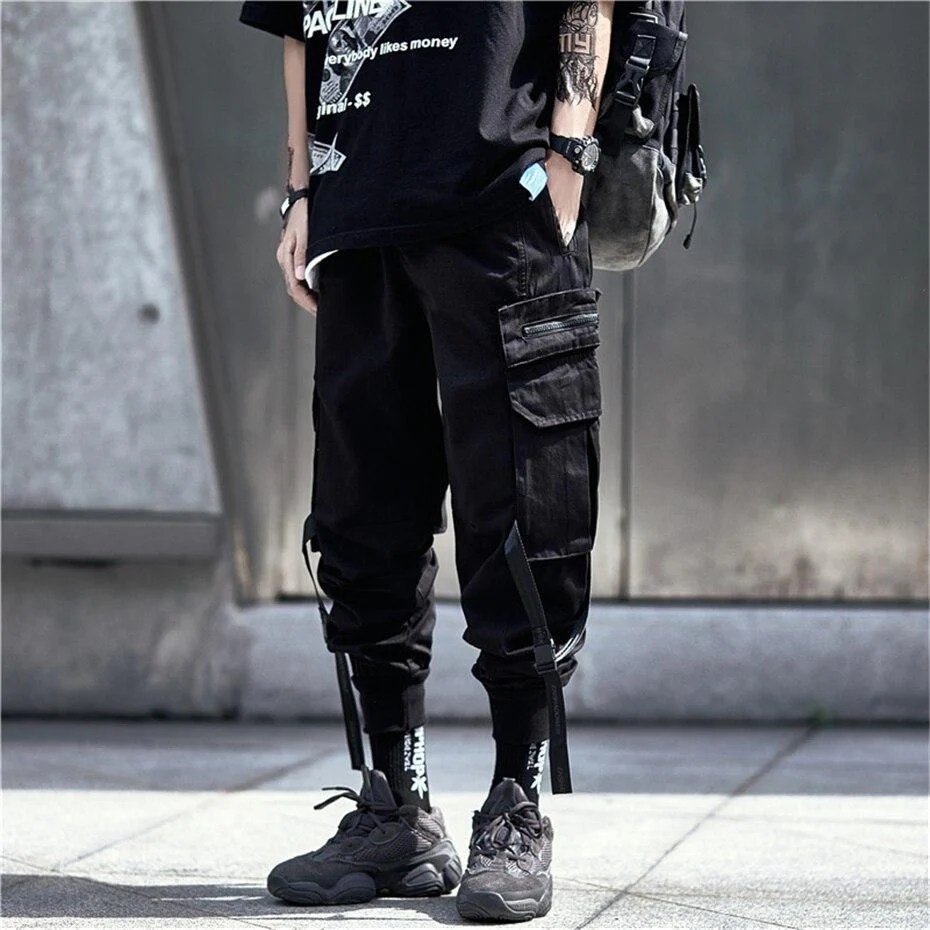
In conclusion, techwear stands at the intersection of fashion and functionality, making it a compelling choice for those who prioritize both form and utility. The ongoing evolution of this style, coupled with increasing interest in sustainable practices, suggests that techwear is not just a fleeting trend but a movement towards a more practical and conscious way of dressing. As you explore this dynamic field, keep in mind the opportunities it presents, both in fashion and beyond, and how it continues to inspire creativity and innovation in the industry.
Frequently Asked Questions
What is the primary function of techwear?
Techwear primarily focuses on providing functional clothing that incorporates weather resistance, breathability, and mobility for urban environments.
Who are some notable techwear designers?
Notable designers include ACRONYM, Y-3, and Nike ACG, known for their innovative approach to combining style with practicality.
What materials are commonly used in techwear?
Common materials include waterproof textiles, breathable membranes, and durable synthetics that enhance performance and comfort.
How can I style techwear outfits?
You can style techwear by mixing functional pieces with urban streetwear elements, balancing aesthetics with utility.
Is techwear environmentally friendly?
Many brands are shifting towards sustainable practices, using eco-friendly materials and ethical manufacturing processes, but it’s important to research specific brands to confirm their sustainability efforts.


