
Project Management is a crucial aspect of any successful business endeavor, acting as the backbone that holds various components together. From planning and execution to monitoring and closure, effective project management ensures that goals are met efficiently and effectively. This field not only requires a unique set of skills but also offers numerous career opportunities across different industries.
In this discussion, we will explore the essential skills needed by project managers, the importance of certifications, and the current job market trends. We’ll also look at how project management impacts industrial goods and services, alongside techniques that contribute to successful project outcomes in service-oriented industries. Lastly, we’ll delve into how to leverage project management for business creation and development.
Employment and Work in Project Management
In the ever-evolving landscape of industries, project management has become a cornerstone for achieving business goals efficiently. The role of a project manager is multifaceted, requiring a blend of technical know-how and soft skills that vary across sectors. Understanding these requirements is crucial for anyone looking to navigate a career in this field.Project managers need a diverse skill set tailored to the specific demands of their industry.
While the core competencies, such as leadership, communication, and time management are universally applicable, certain skills may take precedence depending on the sector. Here are some essential skills that project managers should cultivate across various industries:
Necessary Skills for Project Managers
The skills required for project managers can vary widely depending on the industry they are in. These skills encompass both hard and soft competencies that are crucial for managing projects effectively.
- Leadership: The ability to inspire and motivate teams to achieve project goals is essential.
- Communication: Clear communication with stakeholders at all levels ensures that everyone is on the same page.
- Risk Management: Identifying potential risks and developing mitigation strategies is key to project success.
- Technical Skills: Depending on the industry, specific technical skills related to project management tools and methodologies can be vital.
- Financial Acumen: Understanding budgeting and financial management is important, particularly in sectors like construction and IT.
In addition to these key skills, project managers should also be adaptable and able to work in fast-paced environments, especially in sectors like tech or marketing where changes can happen rapidly.
Role of Project Management Certifications
Certifications play a significant role in enhancing the career opportunities of project managers. They not only validate a professional’s skills but also increase their credibility in the job market. Popular certifications include:
- Project Management Professional (PMP): Recognized globally, this certification demonstrates a high level of competency in project management.
- Certified ScrumMaster (CSM): Useful in Agile environments, this certification focuses on managing projects using Scrum methodologies.
- PRINCE2 Certification: Particularly valued in Europe, this certification focuses on structure and organization in project management.
Acquiring these certifications often leads to improved job prospects, higher salaries, and greater responsibilities in project management roles. Organizations typically prefer candidates with recognized certifications, as they indicate a commitment to the profession and a verified skill set.
Job Market Trends for Project Managers
The job market for project managers is showing positive trends across various sectors. According to recent data, industries such as technology, healthcare, and construction are experiencing a surge in demand for skilled project managers. This demand is driven by several factors:
- Technological Advancements: Rapid technological changes require skilled project managers to oversee transitions and implementations.
- Increased Project Complexity: As projects become more complex, organizations need experienced professionals to manage them effectively.
- Focus on Efficiency: Companies are increasingly prioritizing project management to enhance productivity and streamline processes.
In sectors like IT, the shift towards digital transformation has made project management roles even more critical, with many organizations seeking talent to guide their projects through this transition. For example, companies like Amazon and Google are always on the lookout for certified project managers to lead innovative projects.In summary, the project management field presents a wealth of opportunities for those equipped with the right skills and certifications.
The ongoing demand across various industries highlights the importance of this role in driving business success.
Industrial Goods and Services in Project Management
Effective project management plays a critical role in the industrial goods sector, influencing everything from production efficiency to customer satisfaction. The industrial sector, encompassing manufacturing, construction, and logistics, relies heavily on well-coordinated projects to meet market demands and drive innovation. With the right techniques and tools, organizations can streamline their operations, enhancing productivity and reducing costs.
Impact of Effective Project Management on the Industrial Goods Sector
The impact of effective project management in the industrial goods sector manifests in various ways, significantly enhancing operational efficiency and overall performance. Key areas include:
- Increased Efficiency: Streamlined processes reduce waste and optimize resource utilization, leading to faster production cycles.
- Cost Reduction: Effective project management minimizes errors and rework, substantially lowering project costs.
- Improved Quality Control: With clear timelines and project milestones, quality assurance becomes more manageable, ensuring that products meet industry standards.
- Enhanced Risk Management: Identifying potential risks early allows teams to develop mitigation strategies, reducing the likelihood of project delays.
- Better Stakeholder Communication: Regular updates and clear communication channels foster better relationships with stakeholders, ensuring alignment and support.
Successful Project Management Techniques in Service-Oriented Industries
Service-oriented industries can adopt several project management techniques that have proven successful in enhancing service delivery and operational capacity. Some effective approaches include:
- Agile Methodology: This approach promotes iterative progress, allowing teams to adapt quickly to changing requirements, which is particularly beneficial in service projects.
- Lean Management: By eliminating waste and focusing on value creation, lean techniques ensure that services are delivered more efficiently.
- Six Sigma: Utilizing data-driven strategies to improve quality and reduce defects is essential in maintaining high service standards.
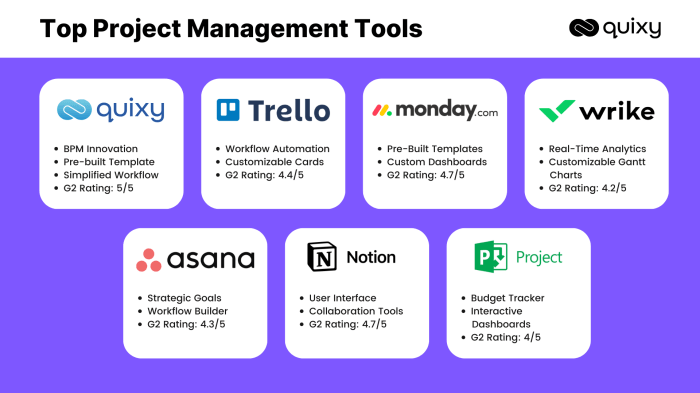
- Project Management Software: Tools like Trello, Asana, or Microsoft Project provide teams with real-time collaboration features and tracking capabilities to enhance efficiency.
Challenges in Project Management Within Industrial Services
Managing projects in industrial services often comes with unique challenges that require strategic addressing. Some common challenges include:
- Resource Allocation: Balancing limited resources across multiple projects can strain teams and lead to delays. Effective scheduling and prioritization techniques are essential to overcome this hurdle.
- Complex Stakeholder Requirements: Diverse stakeholder interests can complicate project objectives. Regular stakeholder engagement and feedback loops can help align goals and expectations.
- Technological Integration: As industries adopt new technologies, ensuring smooth integration into existing systems can be challenging. Comprehensive training and phased implementation can mitigate this issue.
- Regulatory Compliance: Adhering to industry regulations is critical and can complicate project timelines. Establishing a compliance checklist and regularly consulting with legal teams can streamline this aspect.
“Effective project management integrates the principles of planning, executing, and closing projects to maximize value and achieve objectives.”
Business Creation and Development through Project Management
Creating a successful business requires more than just a good idea; it demands a structured approach, especially when utilizing project management methodologies. Implementing a robust project management strategy allows for streamlined processes, efficient resource allocation, and enhanced team collaboration. Understanding the nuances of project management in the context of new ventures can set the foundation for sustainable growth.In the fast-paced environment of startups, flexibility and adaptability are crucial.
A tailored project management strategy can help navigate the uncertainties of launching a new business. By focusing on clear communication, defined goals, and measurable outcomes, entrepreneurs can foster a culture that thrives on innovation while keeping an eye on efficiency and productivity.
Steps to Create a Successful Project Management Strategy for New Business Ventures
Establishing a project management strategy for a new business involves several critical steps that ensure clarity and direction. These steps include identifying goals, defining project scope, creating a timeline, and assigning responsibilities.
1. Identify Goals
Clearly Artikel the objectives of the project. This includes understanding the core purpose and desired outcomes.
2. Define Project Scope
Determine the boundaries of the project, including what will and will not be included. This helps in preventing scope creep.
3. Create a Timeline
Develop a timeline that includes key milestones and deadlines. This visual representation of the project helps keep the team on track.
4. Assign Responsibilities
Clearly delineate roles within the team to ensure accountability. Each team member should know their tasks and how they contribute to the overall project.
5. Establish Communication Channels
Implement tools and routines for regular updates and feedback, creating an environment of open communication.
“A project well defined is a project half completed.”
Best Practices for Managing Projects in a Startup Environment
Managing projects in a startup requires a unique approach due to limited resources and the need for rapid execution. Here are several best practices that can help ensure success:
Agile Methodologies
Embrace agile project management techniques that allow for quick adjustments in response to feedback and changing market conditions.
Prioritize Tasks
Focus on high-impact tasks that contribute most significantly to the business goals. Use tools like the Eisenhower Matrix to differentiate between urgent and important tasks.
Foster Team Collaboration
Build a collaborative culture where all team members contribute ideas and solutions. Utilize collaboration tools to facilitate this interaction.
Regular Stand-Ups
Implement daily stand-up meetings to ensure alignment and address any roadblocks swiftly. This promotes accountability and keeps the team engaged.
Feedback Loops
Establish mechanisms for regular feedback from customers and stakeholders. This information is invaluable for refining products and services.
Framework for Evaluating Project Success in Relation to Business Growth
Establishing a framework for evaluating project success is essential for understanding how projects contribute to overall business growth. This framework typically comprises several key performance indicators (KPIs) that provide quantitative and qualitative insights:
1. Delivery on Time and Budget
Evaluate whether the project was completed within the set timelines and budget constraints. Meeting these criteria is fundamental to project success.
2. Customer Satisfaction
Measure customer feedback and satisfaction levels post-project completion. This can be done through surveys or direct interviews.
3. Return on Investment (ROI)
Calculate the financial returns generated by the project compared to its costs. A positive ROI indicates successful investment in projects.
4. Team Performance
Analyze team dynamics and productivity during the project lifecycle. High performance often correlates with better project outcomes.
5. Market Impact
Assess the project’s impact on market share or brand reputation. This can be measured through sales growth or social media engagement metrics.
“Success is not just about what you accomplish but how you contribute to the growth of your business.”
Final Thoughts
In summary, mastering Project Management can significantly enhance both individual careers and organizational success. By understanding the skills required, recognizing the importance of certifications, and applying effective strategies, one can effectively navigate the challenges of project management across various sectors. Whether in industrial services or startup businesses, the principles of project management remain a vital tool for growth and achievement.
General Inquiries
What are the essential skills for a project manager?
Key skills include leadership, communication, risk management, problem-solving, and time management.
How important are project management certifications?
Certifications enhance credibility, demonstrate expertise, and improve job prospects.
What industries need project managers the most?
Industries like IT, construction, healthcare, and manufacturing have a high demand for skilled project managers.
What are common challenges in project management?
Common challenges include scope creep, budget constraints, and communication breakdowns.
How can a startup benefit from project management?
A startup can benefit by establishing clear goals, improving resource allocation, and enhancing team collaboration.


